

As another year of travel comes to a close, it feels like the right moment to pause and look ahead. Not just at where people will go next, but at how and why they will travel at all. The conversations around travel are changing, and so are the choices travellers are making.
Looking toward 2026, we are seeing a shift away from fast itineraries and headline destinations, and toward trips that feel more personal, more intentional and more connected to place. Travel is becoming less about doing it all and more about doing what matters. These are the travel trends we predict will shape the way people explore in the year ahead.

🌍 1. Meaning Over Must-Sees: Intentional Itineraries
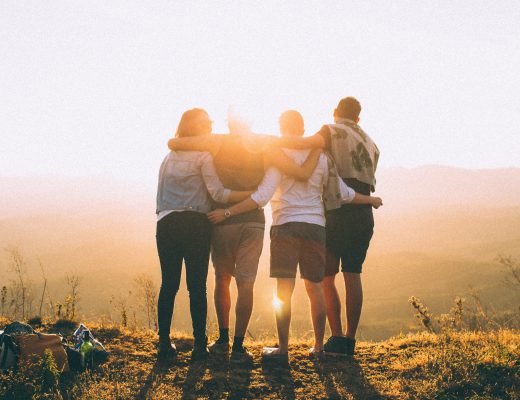
Holidays are no longer measured by how many landmarks you squeeze into a long weekend. In 2026, travellers are defining their journeys by intention. Why they want to go now matters more than where they go. Reconnecting with loved ones, pausing for wellness, learning something new or simply slowing down are shaping not just destinations, but the entire travel experience.
Think of this as the rise of the whycation. Trips are designed around emotional, creative or personal goals rather than ticking destinations off a list. Travel feels more purposeful, more considered and more human.
🧭 2. Beyond the Beaten Path, Cities, Nature and Local Soul
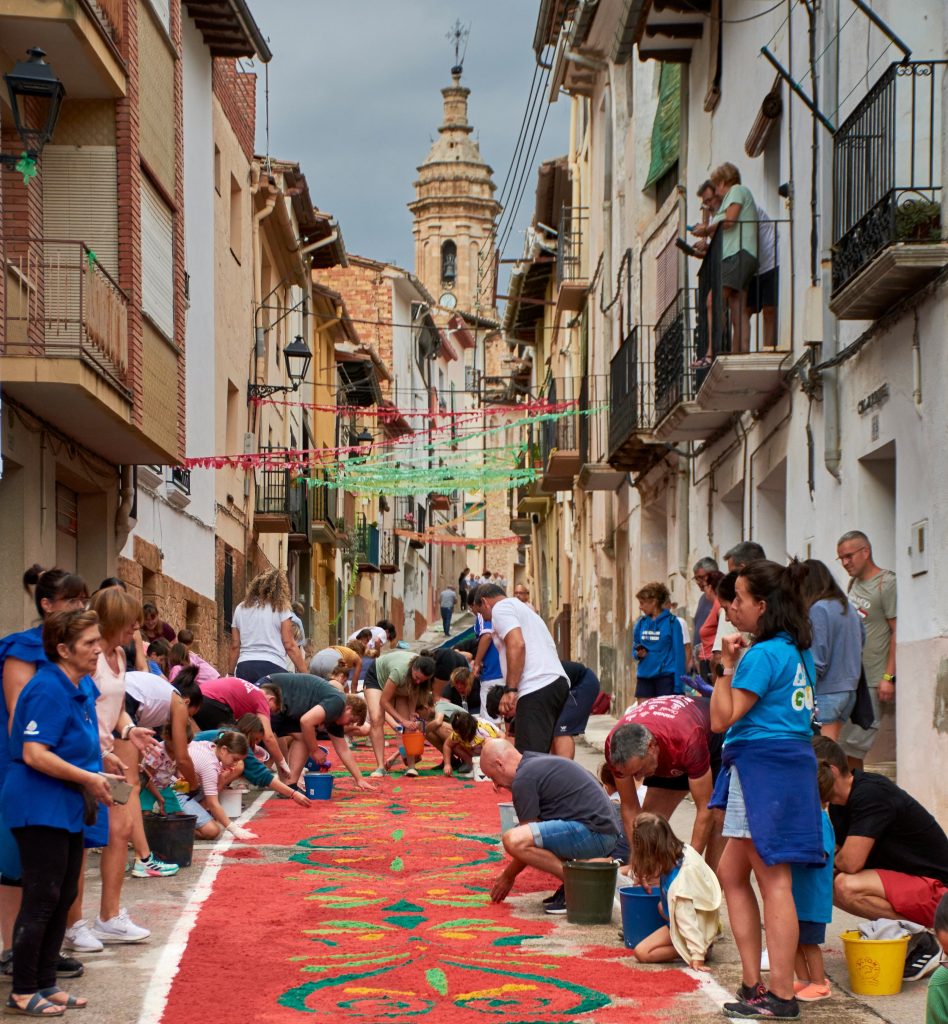
If you have ever visited a place before it became a headline destination, you will recognise this shift. 2026 is the year of the underrated destination. Quiet capitals, secondary cities and rural regions are drawing travellers who want depth rather than spectacle.
This is not only about avoiding crowds. It is about discovering layers of a place that are easy to miss when tourism moves too fast. The joy now comes from being present with what already exists rather than chasing what is trending.
🌿 3. Slow Travel and Seasonal Rhythms
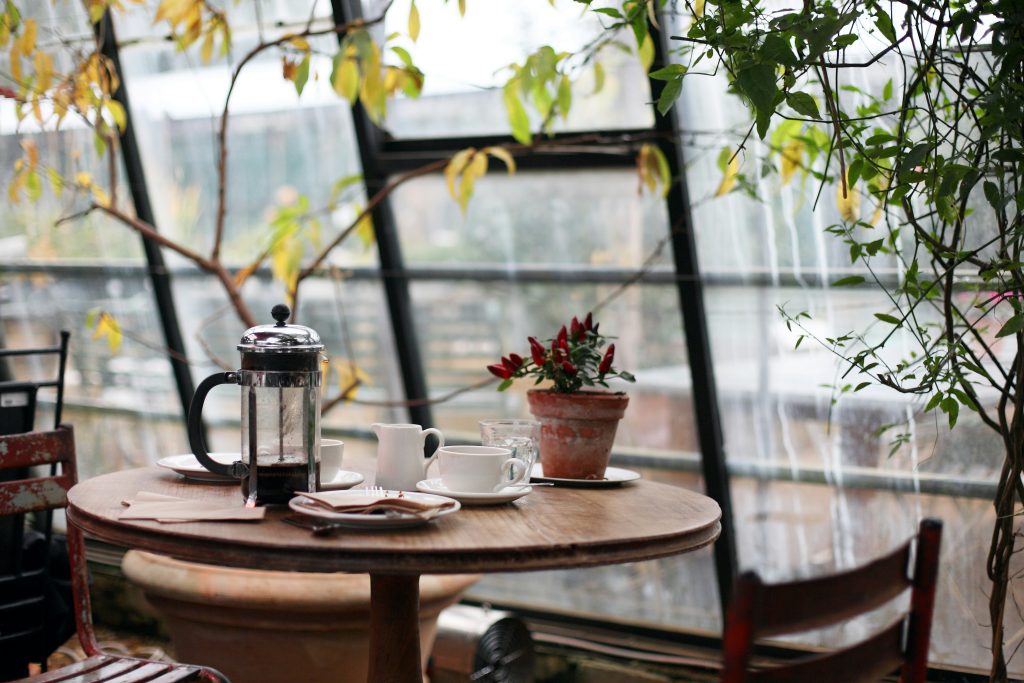
In a world that rarely pauses, travel in 2026 is leaning into slowness. Longer stays, train journeys, farm stays and off-season visits are becoming part of the appeal rather than a compromise.
Slow travel invites you to feel a place rather than consume it. The rhythm of a local market at dawn, the quiet of a village in winter, the familiarity that builds when you return to the same café each morning. This slower pace is where travel becomes immersive rather than performative.
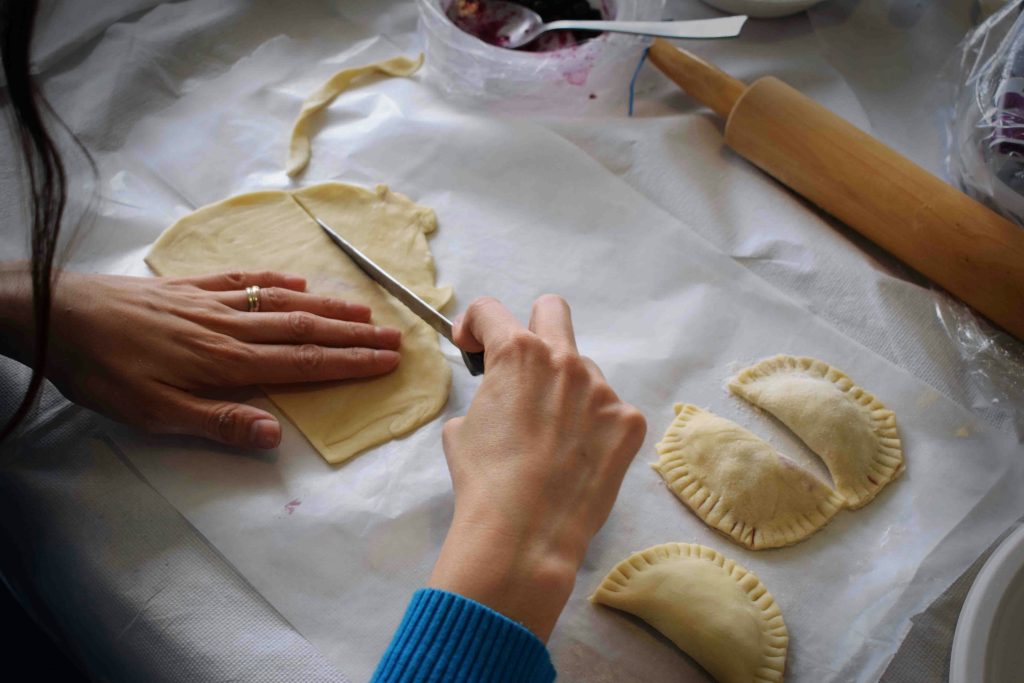
🧠 4. Learning on the Go, Skill-Based Travel
Why just visit when you can grow? One of the most interesting shifts for 2026 is the rise of trips built around learning. Cooking, photography, crafts, language, nature conservation, or creative writing are no longer add-ons. They are the reason for travelling in the first place.
These experiences go beyond sightseeing. They leave travellers with something tangible. A skill, confidence, or deeper understanding of the place they visited. Travel becomes something you carry forward, not just something you remember.

💡 5. Technology That Supports the Human Experience
Technology is becoming quieter and more helpful. In 2026, travel tech focuses on removing friction rather than replacing experience. Personalised planning tools and smarter recommendations make it easier to travel well, but the most meaningful moments still happen offline.
The best technology does not pull attention away from a place. It gently guides you toward experiences that feel more aligned, more local and more personal.
✈️ So What Does It All Mean?
2026 feels less like a year of destinations and more like a year of direction. Inward toward meaning. Outward toward discovery. Sideways into places that surprise you long before they become popular.
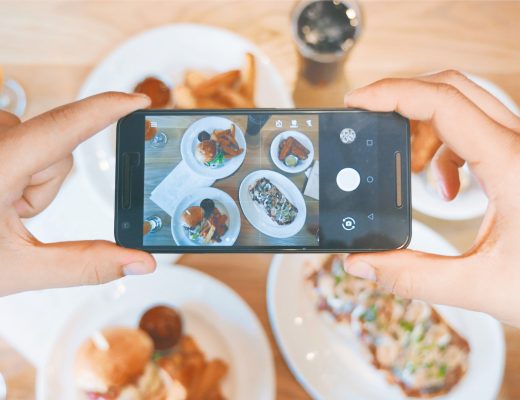
Instead of asking where the next hotspot will be, travellers are asking why they want to go and what they want to feel when they return. Travel is shifting from capturing moments to truly living them.
And that may be the most important trend of all.
As travellers rethink how they explore in 2026, authenticity, connection and intention are becoming non-negotiable. These values sit at the heart of LocalBini. Visit LocalBini to experience travel through a local lens.
Header Photo by Yoav Aziz on Unsplash